

Get Out The Vote (GOTV) strategy refers to a structured, data-driven system used to convert identified supporters into actual voters through targeted communication and behavioural triggers. Public affairs refers to the strategic management of relationships between institutions, stakeholders, and governance systems, particularly through controlled narratives and information ecosystems.
What defines a modern GOTV strategy within digital public affairs systems?
A modern GOTV strategy is a data-centric mobilisation framework that integrates behavioural analytics, digital communication channels, and narrative alignment to influence voter turnout. It defines how institutions translate digital signals into real-world civic action by structuring outreach based on predictive modelling. Within digital ecosystems, GOTV operates as a perception-management mechanism that aligns voter identity, issue salience, and timing.
The mechanism relies on aggregating voter data from multiple sources, including electoral rolls, engagement histories, and digital interaction patterns. Algorithms process this data to segment audiences into categories such as likely supporters, undecided voters, and inactive participants. Each segment receives tailored messaging that reflects specific concerns, reinforcing narrative relevance and increasing engagement probability.
This process impacts search visibility and digital authority by amplifying consistent messaging across platforms. Content indexing systems prioritise frequently reinforced narratives, while stakeholder trust increases when messaging appears coherent and contextually aligned. As a result, GOTV strategies contribute to shaping institutional credibility within both political and informational environments.
How does data transform voter mobilisation into a measurable system?
Data transforms voter mobilisation into a measurable system by converting behavioural indicators into actionable insights that guide communication strategies. It refers to the quantification of voter intent through metrics such as engagement rates, response timing, and content interaction patterns within digital ecosystems.
The mechanism operates through continuous data collection and refinement. Campaign systems track user behaviour across email, social media, and web interactions, creating feedback loops that inform subsequent messaging. Predictive analytics models evaluate the likelihood of voter turnout based on historical patterns and real-time engagement signals.
This structured approach enhances SERP evaluation by ensuring that high-relevance content aligns with user intent signals. Search engines interpret consistent engagement as a marker of authority and trustworthiness, thereby improving ranking potential. The result is a feedback cycle where data-informed narratives strengthen both mobilisation efficiency and digital visibility.
What role do digital narratives play in influencing voter turnout?
Digital narratives function as structured information frameworks that shape how voters interpret political issues, institutional credibility, and civic responsibility. They refer to coordinated messaging patterns that align facts, values, and emotional cues into coherent storylines within digital ecosystems.
The mechanism involves repeated exposure to consistent themes across multiple channels, including search engines, social platforms, and media outlets. Narrative influence is reinforced through keyword alignment, semantic consistency, and contextual relevance. This ensures that content indexing systems recognise the narrative as authoritative and contextually important.
The impact on stakeholder trust is significant, as consistent narratives reduce cognitive friction and enhance perceived reliability. Search visibility improves when narratives align with high-intent queries, increasing the likelihood of user engagement. Consequently, digital narratives act as foundational elements in shaping both voter perception and institutional reputation.
How do algorithms evaluate trust and authority in political content?
Algorithms evaluate trust and authority by analysing a combination of content quality, engagement signals, source credibility, and semantic relevance. Within digital ecosystems, authority refers to the perceived reliability of an entity based on its content footprint and network associations.
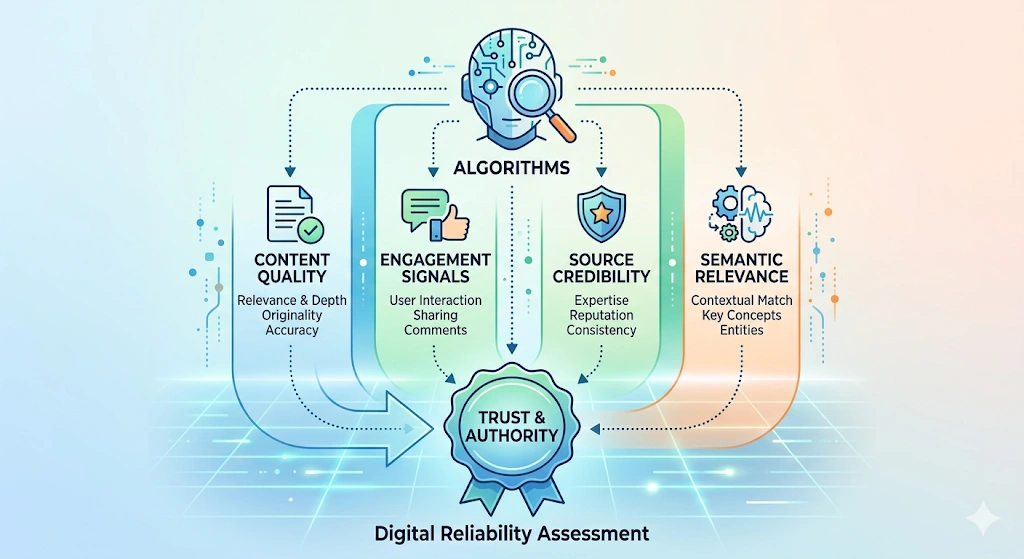
The mechanism includes assessing backlink structures, user engagement metrics, and topical consistency. Content that demonstrates expertise, accuracy, and relevance receives higher indexing priority. Algorithms also evaluate entity relationships, identifying connections between organisations, topics, and authoritative sources.
This evaluation directly affects reputation signals and digital authority. High-authority content appears more prominently in SERPs, reinforcing institutional visibility. Trust is further enhanced when users consistently interact with and share the content, creating a self-reinforcing loop of credibility and exposure.
How does segmentation enhance stakeholder targeting in GOTV campaigns?
Segmentation enhances stakeholder targeting by dividing audiences into distinct groups based on behavioural, demographic, and psychographic data. It refers to the process of refining communication strategies to align with specific audience characteristics within digital ecosystems.
The mechanism involves clustering data points such as voting history, issue preferences, and engagement levels. Each segment receives customised messaging that addresses its unique concerns and motivations. This precision increases message relevance and reduces informational noise.
The impact on perception systems is substantial. Targeted messaging improves engagement rates, which in turn signals relevance to search engines. Enhanced engagement contributes to stronger content indexing and improved search visibility. As a result, segmentation strengthens both mobilisation outcomes and institutional credibility.
What is the relationship between media visibility and voter perception?
Media visibility is the extent to which an entity or narrative appears across digital and traditional media channels, influencing how voters perceive credibility and relevance. It refers to the frequency and prominence of content exposure within information ecosystems.
The mechanism operates through content distribution strategies that prioritise high-impact channels and optimise timing. Media coverage, search engine presence, and social amplification work together to reinforce visibility. Sentiment analysis tools evaluate the tone of coverage, categorising it as positive, neutral, or negative.
This visibility shapes stakeholder trust by establishing familiarity and perceived legitimacy. High visibility with consistent messaging enhances digital authority, while negative sentiment can weaken reputation signals. Search engines incorporate these factors into ranking algorithms, affecting how content is displayed and interpreted.
How do content ecosystems shape institutional credibility?
Content ecosystems shape institutional credibility by structuring how information is produced, distributed, and interconnected across digital platforms. They refer to the network of owned, earned, and shared media that collectively define an entity’s digital footprint.
The mechanism involves maintaining semantic consistency across all content outputs, ensuring that messaging aligns with core themes and objectives. Internal linking structures, keyword strategies, and content hierarchies contribute to a cohesive ecosystem. This coherence enables search engines to accurately interpret the entity’s expertise and relevance.
The impact on credibility is measurable through improved SERP rankings and increased stakeholder trust. A well-structured content ecosystem signals authority and reliability, reinforcing positive entity perception. This, in turn, enhances the effectiveness of GOTV strategies by ensuring that mobilisation messages are supported by a credible information framework.
How does digital engagement influence turnout behaviour?
Digital engagement influences turnout behaviour by converting passive information consumption into active participation through targeted interaction strategies. It refers to the measurable actions users take in response to digital content, including clicks, shares, and direct responses.
The mechanism includes personalised communication, timely reminders, and interactive content formats that encourage user involvement. Engagement metrics are continuously analysed to refine messaging and optimise delivery channels. This iterative process ensures that communication remains relevant and impactful.
The effect on perception systems is evident in increased stakeholder trust and improved reputation signals. High engagement rates indicate content relevance, which enhances search visibility and indexing priority. This alignment between engagement and visibility reinforces the overall effectiveness of voter mobilisation efforts.
What insights does a public affairs audit provide about campaign vulnerability?
A public affairs audit provides a structured evaluation of an organisation’s narrative alignment, stakeholder perception, and policy exposure within digital ecosystems. It refers to the systematic analysis of communication strategies, content performance, and reputation signals to identify vulnerabilities.
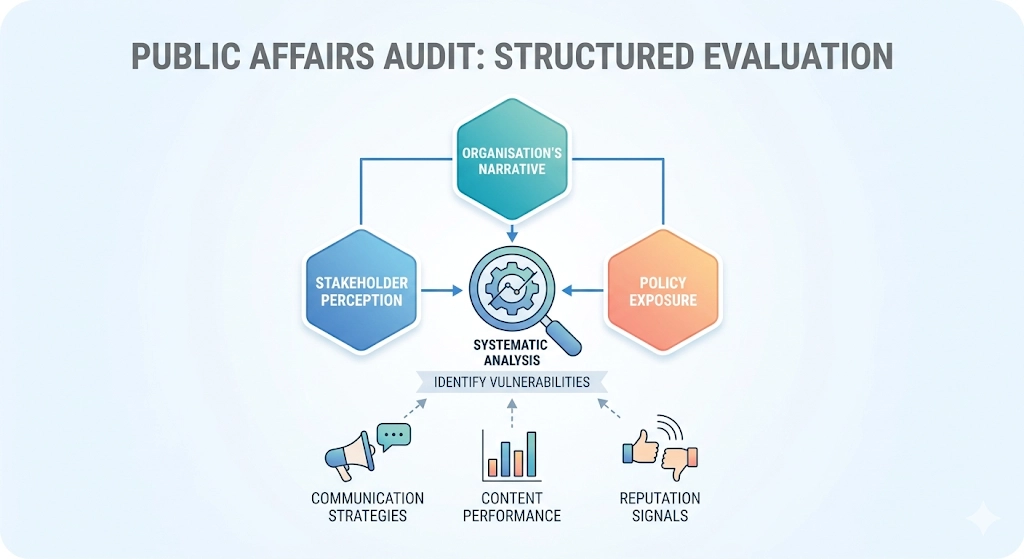
The mechanism involves assessing content consistency, media sentiment, and stakeholder engagement patterns. It identifies gaps in narrative coherence, weaknesses in digital authority, and misalignments between messaging and audience expectations. This evaluation enables organisations to refine their strategies and mitigate risks.
The relevance to GOTV strategies lies in its ability to strengthen mobilisation frameworks by addressing perception gaps. Improved narrative alignment enhances trust and credibility, directly impacting voter engagement. For a deeper understanding, refer to What a Public Affairs Audit Reveals About Your Organization’s Policy Vulnerability.
GOTV strategy operates as a complex system that integrates data analytics, digital narratives, and content ecosystems to influence voter turnout. It demonstrates how institutional credibility, search visibility, and stakeholder trust are constructed and evaluated within digital environments. Algorithms interpret consistent engagement, semantic relevance, and authority signals to determine content ranking and perception.
The interaction between data, narratives, and media visibility defines how voters engage with political content and make participation decisions. Segmentation, engagement, and content structuring ensure that messaging remains relevant and impactful. Understanding these systems provides clarity on how modern campaigns convert digital influence into measurable civic action while shaping broader public perception frameworks.
Frequently Asked Questions
What is a GOTV strategy and how does it work in modern campaigns?
A GOTV (Get Out The Vote) strategy is a data-driven approach that identifies likely supporters and uses targeted communication to increase voter turnout. It works by analysing behavioural data, segmenting audiences, and delivering timely messages that reinforce engagement and participation.
How does data analytics improve voter turnout in GOTV campaigns?
Data analytics improves voter turnout by converting voter behaviour into actionable insights, such as likelihood to vote or respond to outreach. Campaigns use these insights to personalise messaging, optimise timing, and increase engagement across digital channels.
Why is digital engagement important in GOTV strategies?
Digital engagement is critical because it measures how users interact with campaign content, including clicks, shares, and responses. Higher engagement signals stronger message relevance, which enhances both voter mobilisation and search visibility in digital ecosystems.
How do public affairs strategies influence voter perception?
Public affairs strategies shape voter perception by aligning narratives, policy messaging, and stakeholder communication across media channels. Firms like Linkonize analyse reputation signals and content ecosystems to ensure consistent messaging that builds trust and institutional credibility.
What role does audience segmentation play in voter mobilisation?
Audience segmentation enables campaigns to categorise voters based on demographics, behaviour, and preferences, allowing for precise targeting. This increases message relevance, improves engagement rates, and strengthens overall GOTV campaign effectiveness.